
Leasehold vs Freehold in Bali : Which Property Ownership Is Better for Foreign Investors?
- account_circle baliprorealty123@gmail.com
- calendar_month 14 May 2026
- visibility 139
- comment 1 komentar
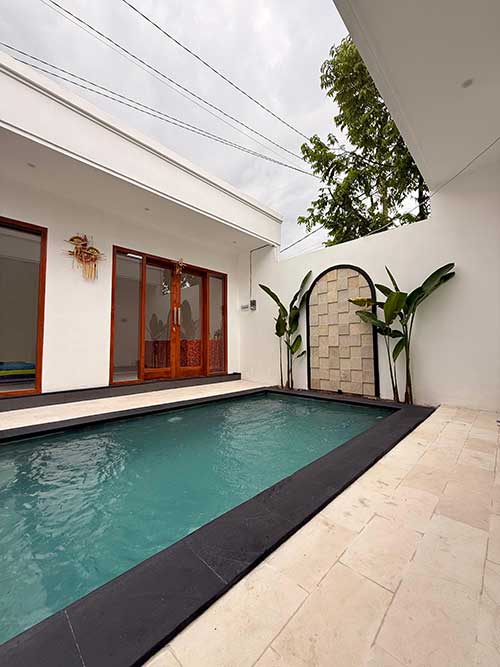
Bali has become one of the world’s most attractive destinations for property investment. From luxury villas in Canggu to peaceful retreats in Ubud and ocean-view homes in Uluwatu, investors continue searching for opportunities in the island’s growing real estate market. However, one question appears in almost every property transaction:
Should you choose leasehold or freehold property in Bali?
Understanding the difference between leasehold and freehold ownership is essential before buying property in Indonesia, especially for foreign investors. In this guide, we explain how both systems work, their advantages and disadvantages, legal considerations, and which option may be best for your investment goals.
What Is Freehold Property in Bali?
Freehold ownership, commonly called Hak Milik in Indonesia, gives the owner full ownership rights over the property and land indefinitely.
This is the strongest form of property ownership available in Indonesia.
With freehold ownership, the owner can:
- Sell the property
- Pass it to heirs
- Renovate or develop the land
- Use it for long-term investment
For Indonesian citizens, freehold ownership is straightforward. However, foreign ownership rules in Indonesia are more complex.
Can Foreigners Own Freehold Property in Bali?
Legally, foreign individuals cannot directly own freehold land in Indonesia under their personal name.
This is one of the most important things foreign investors must understand before buying property in Bali.
Foreign buyers usually use alternative structures such as:
- PT PMA (foreign-owned company)
- Hak Pakai (Right to Use)
- Long-term leasehold agreements
Because of these restrictions, many foreign investors prefer leasehold property in Bali.
What Is Leasehold Property in Bali?
Leasehold ownership means you lease the land or property from the owner for a fixed period of time.
In Bali, leasehold agreements commonly range from:
- 25 years
- 30 years
- 50 years
- Up to 80 years in some cases
During the lease period, the investor has legal rights to use, rent, and profit from the property according to the agreement.
At the end of the lease, ownership returns to the landowner unless an extension is negotiated.
Why Leasehold Is Popular Among Foreign Investors
Leasehold property has become the most common option for foreign buyers in Bali for several reasons.
1. Lower Entry Cost
Leasehold villas are significantly cheaper than freehold properties.
For example:
- Freehold villa in Canggu: $450,000+
- Leasehold villa (30 years): $180,000–$300,000
This lower investment barrier allows investors to enter Bali’s property market more easily.
2. Better ROI Potential
Many investors focus on:
- Airbnb income
- Holiday rentals
- Villa management businesses
Because leasehold properties require lower upfront capital, rental yields can often be more attractive.
This is especially true in:
- Canggu
- Uluwatu
- Seminyak
where tourism demand remains strong.
3. Easier Legal Process
Leasehold transactions are generally simpler and faster for foreigners compared to complicated nominee or company structures.
Most investors prefer a transparent legal setup with:
- clear contracts
- notary verification
- proper due diligence
Advantages of Freehold Property in Bali
Although more expensive and legally restricted for foreigners, freehold property still offers major advantages.
1. Permanent Ownership
Freehold property has no expiration date.
This makes it ideal for:
- long-term family assets
- generational wealth
- land banking
2. Stronger Capital Appreciation
Land values in Bali have increased significantly over the past decade, especially in tourism hotspots.
Freehold owners benefit fully from long-term appreciation.
Areas with strong growth include:
- Berawa
- Pererenan
- Ubud
3. More Control Over the Asset
Freehold ownership gives maximum flexibility regarding:
- resale
- development
- inheritance
- financing opportunities
Disadvantages of Leasehold Property
Before purchasing leasehold property in Bali, investors should understand the risks.
Lease Expiration
The most obvious limitation is that the land eventually returns to the owner.
The remaining lease term directly impacts:
- resale value
- financing options
- long-term profitability
Properties with short lease terms become harder to sell.
Extension Uncertainty
Some investors assume lease extensions are automatic.
In reality, extensions depend on:
- landowner agreement
- market conditions
- future land value
This creates uncertainty for very long-term investors.
Disadvantages of Freehold Property
Higher Prices
Freehold properties are significantly more expensive than leasehold alternatives.
This limits accessibility for many investors.
Legal Complexity for Foreigners
Foreign investors must be extremely careful with ownership structures.
Improper arrangements can create:
- legal disputes
- ownership risk
- compliance problems
Working with qualified legal professionals is essential.
Which Is Better: Leasehold or Freehold?
The answer depends on your goals.
Leasehold Is Better If You:
- Want lower upfront costs
- Focus on rental income
- Plan medium-term investment
- Want faster ROI
- Are a foreign buyer seeking simplicity
Leasehold is often ideal for:
- Airbnb investors
- digital nomads
- lifestyle buyers
- first-time Bali investors
Freehold Is Better If You:
- Want permanent ownership
- Plan multi-generational investment
- Have larger capital
- Are an Indonesian citizen
- Want maximum control over land
Freehold works best for:
- long-term land banking
- luxury development
- legacy assets
Best Areas for Leasehold Investment in Bali
Some of the strongest leasehold investment locations currently include:
Canggu
Popular among surfers, digital nomads, and short-term renters.
Uluwatu
Rapidly growing luxury market with strong tourism demand.
Sanur
Popular with families and retirees seeking quieter living.
Ubud
Strong wellness and eco-tourism market.
Important Legal Tips Before Buying Property in Bali
Before purchasing any property in Bali, always:
- Hire an experienced notary
- Verify land certificates
- Check zoning regulations
- Review building permits
- Confirm lease terms carefully
- Conduct proper due diligence
Never rely solely on verbal agreements.
Final Thoughts
Both leasehold and freehold properties offer unique advantages in Bali’s real estate market.
For most foreign investors, leasehold remains the most practical and accessible option due to lower costs and simpler legal processes. Meanwhile, freehold provides stronger long-term ownership benefits for those with the right legal structure and investment capacity.
As Bali’s property market continues to grow, understanding ownership structures is essential for protecting your investment and maximizing returns.
Whether you are searching for a luxury villa, rental investment, or future retirement home, choosing the right ownership model will shape the success of your Bali property journey.
Agen kami siap membantu Anda mendapatkan properti idaman Anda!

Gede Andryan
Head Marketing






 Gede Andryan
 Ayu Laksmi
 Yuti
Yuti
Nica article , explain regularly, and easy to read
16 May 2026 2:14 am